Between the ages of 12 and 18, we lose approximately half of our junior orienteers. There is a significant drop off from the age of 14. Whilst a level of drop-off is to be expected in any sport during this turbulent time in young people’s lives this rapid decline is something we can’t ignore.
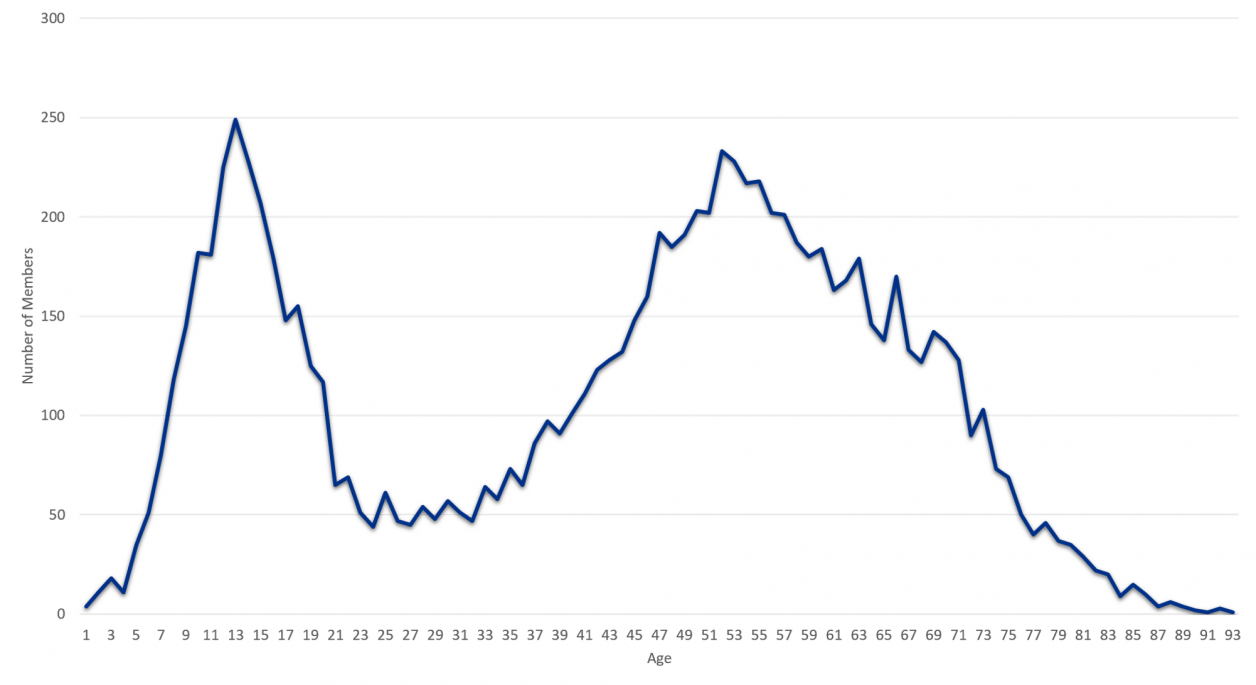
Individuals fall out of the sport at all levels but more so at the base of the pyramid. They may never make a British Orienteering talent squad or even a Junior Regional Squad but every single junior matters.
Some might argue that we must be patient and that those who drop out come back when they are older. We know that orienteering is a cross generation sport and often people will return to orienteering when they have had children themselves. Whilst this may be true, not everyone comes back. My view is let’s try to keep as many young orienteers engaged and having positive, social experiences of our sport so those coming back are a bonus, not a necessity.
Over the past few months, we have spent some time researching the reasons why we lose so many juniors. Feedback consistently identifies 3 key areas that we have to get right:
- Appropriate level of competition and opportunity
- Social connection to the sport
- Recognition and pride in the sport
In England, the development team have introduced the new British Orienteering Youth Away Days, courtesy of Sport England funding, as the first step in a wider ambition to stem the flow of young orienteers out of the sport.
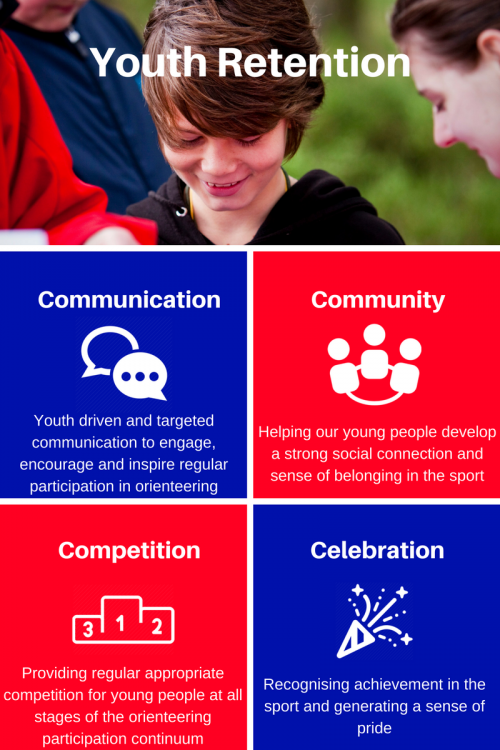
The Youth Away Days are the first part of a wider plan to better engage juniors in the sport so they stay and enjoy orienteering throughout their lives. Our plans are based on our 4 C’s of youth retention:
Communication – youth driven and targeted communication to engage, encourage and inspire regular participation in orienteering
Community – helping our young people develop a strong social connection and sense of belonging in the sport
Competition – providing regular appropriate competition for young people at all stages of the orienteering participation continuum
Celebration – recognising achievement in the sport and generating a sense of pride
Much of this work can only be achieved at a local level. And there is good work being done by some across the country. A key focus for the England development team over the next few years will be to work with clubs to improve retention of members and regular participants with juniors a key part of this.
Latest News
Lead the Next Generation of British Orienteering Success

Junior European Cup teams confirmed