At the recent Board meeting, directors considered a review of the 2017 performance programme and the future direction of the programme in light of British Orienteering’s Strategic Plan and the change in funding. Note there are no changes proposed to the Talent Programme.
The Strategic Plan makes clear the importance of international success in promoting the sport. On this basis, the Board had previously agreed that:
The Board tasked the Chief Executive, Mike Hamilton and Bob Dredge, Talent & Performance Steering Group Chair to provide a simplified way forward for the performance programme that made clear to athletes and volunteers the service levels athletes can expect and the importance of athletes being self-reliant and managing their own personal development.
The Board recognised the work of people working in the programme to try to find a way to sustain the level of support offered to athletes and to continue to provide a programme similar to the programme that has developed over the last few years. However, the Board felt there is need for a significant and noticeable change to ensure that athletes and volunteers alike appreciate that it is no longer feasible to continue with a programme that is comparable with programmes that have been heavily supported financially.
The outcome of discussions that have taken place since the Board meeting have resulted in the following programme being outlined:
A small staff of consultants and volunteers will be used to support athletes at the World Cup prior to WOC and at WOC; for other WCs and the World Games, there will be minimal support of one person to act as manager. The small staff team is likely to consist of a manager in charge of logistics etc, a mentor/coach for those athletes wishing to use one, and a medic. This may be adjusted depending on the skill sets and experience of people chosen.
The rationale behind the above points includes:
- The wish to use funds to make an impact on our chances of winning medals
- Recognition of the financial burden placed on our international athletes and a wish to use most of the available funds to support athletes. This will be a balance between providing financial support to those selected for competition and those with medal-winning capability.
- The need to encourage athletes to be self-reliant
- Recognition of the important role that personal coaches/mentors should and do have in supporting an athlete
- The need to build a sustainable programme where support personnel are likely to change over a period. We value greatly the commitment that volunteers contribute to the programme and recognise it is unrealistic to expect volunteers to replicate the roles of staff who used to be employed full time and part time in the programme.
As this programme is rolled out we will endeavour to keep you updated.
Latest News
Lead the Next Generation of British Orienteering Success
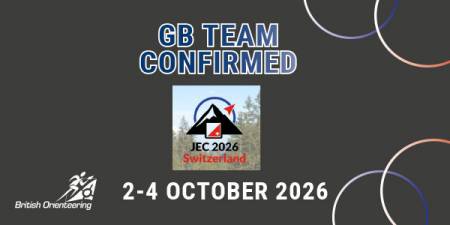
Junior European Cup teams confirmed