
Minimising the Impact: Orienteering's Environmental Approach
This page explains to landowners the actions taken by British Orienteering and Clubs to limit the environmental impact of the sport.
Orienteering is designed to be a low impact sport, and British Orienteering provide support and resources to members to guide them on how to promote environmentally responsible practices at events and within club operations. Scroll down this page to find out more on the following:
How orienteering events and activities are low impact
How clubs work with landowners around site sensitivites and environmental considerations
Event sustainability and waste management
Educating orienteers, the public and younger people around the importance of environmental care
Understand current British Orienteering policies, guidance and evidence reports


How Are Orienteering Events and Activities Low Impact?
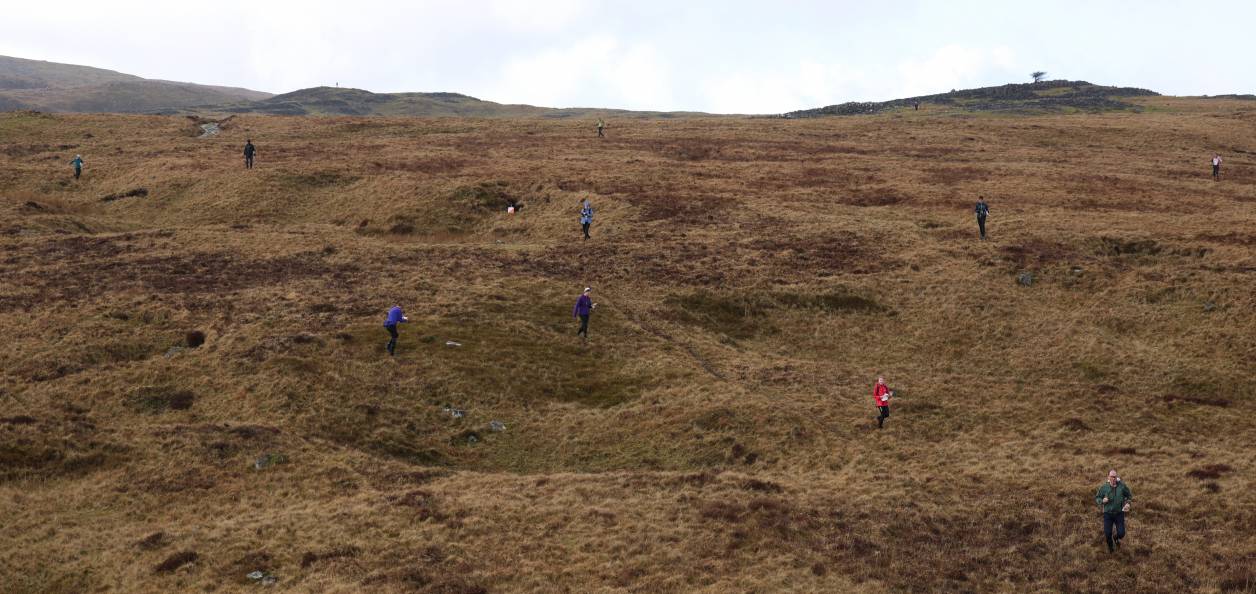
- Because participants choose their own routes between controls (checkpoints), and there are different courses available in one event with varying controls, footfall is naturally spread out. This minimises pressure on the terrain.
- The Habitat Assessment Report, which can be found further down this page, is a case study which highlights the minimal impact of footfall from orienteering events. This report focused on the impact of one of the largest orienteering events in the UK that took place in 2023, with approximately 2400 participants running the courses on this day. Usual event numbers however range from 30-150 depending on the type of event.
- While competitors may take off‑path routes, these choices are highly dispersed, which prevents trail creation or concentrated wear.
- Competitors usually start individually in small intervals preventing crowding. This staggered system limits congestion and reduces the environmental pressure often associated with mass‑participation events.
No permanent structures are required
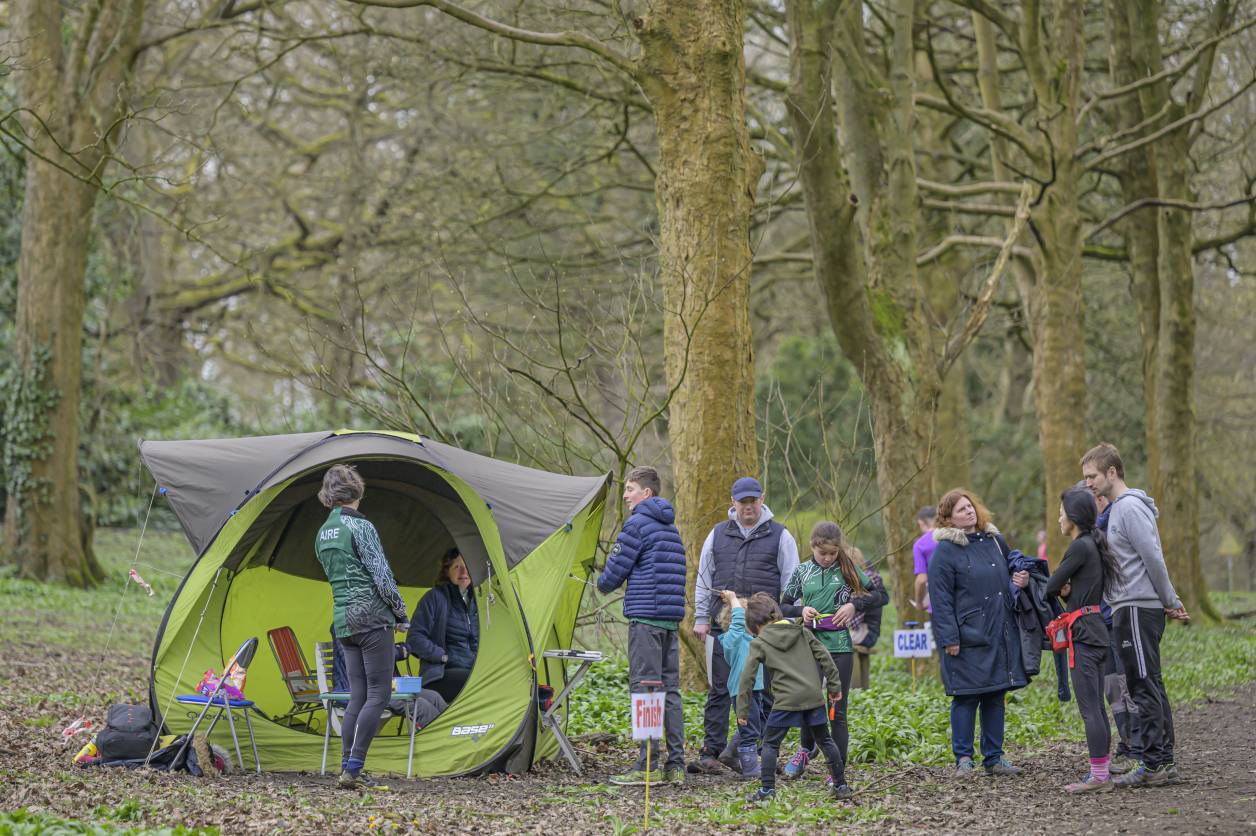
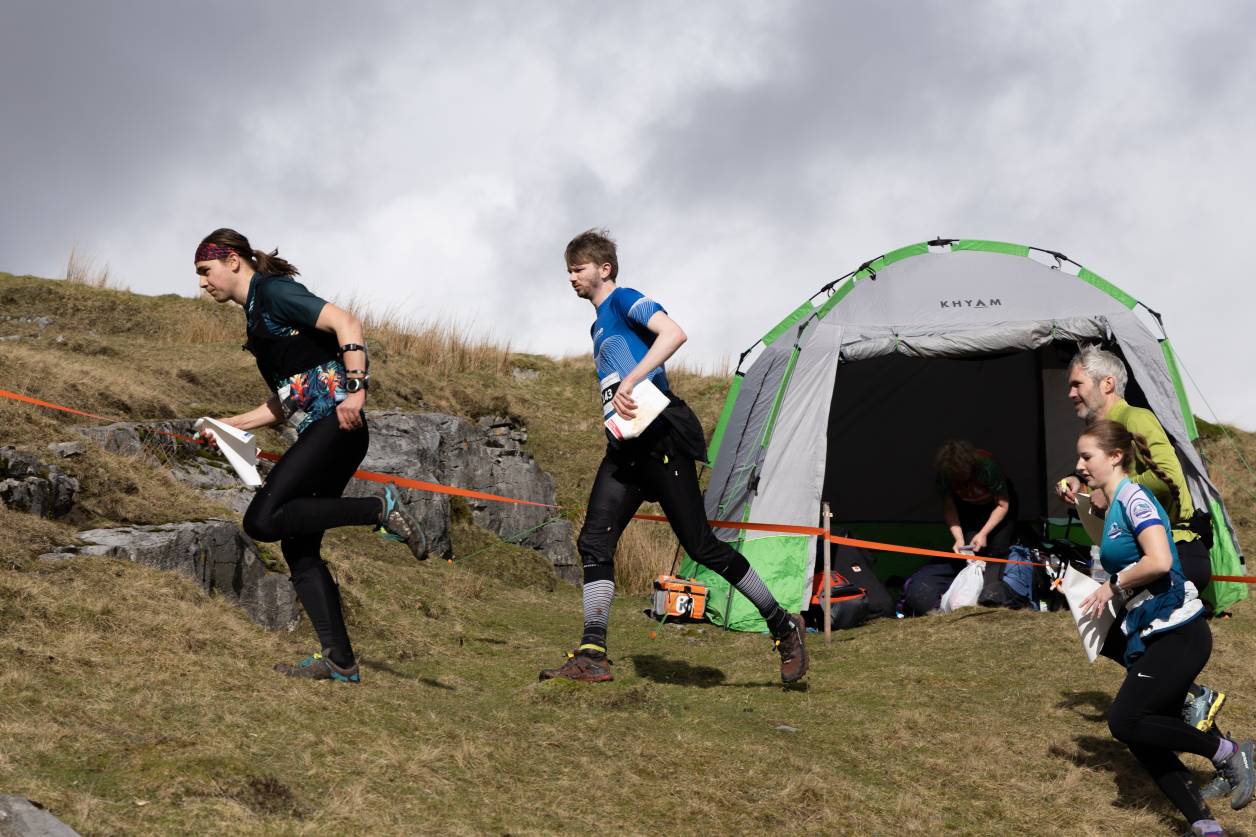
- At events, very little infrastructure is required at event registration. Clubs will often set up a tent and table, whereby all registrations, downloads and first aid will take place. There will likely also be small reusuable signage to indicate the start and finish area. These will all be removed at the end of an event, and will only be erected if prior landowner consent has been given.
- At larger events, in addition to the above, an organiser may also organise for a van with commentary, and for vendors such as catering trucks, and small brand marquees to be onsite for participants, all subject to landowner consent.
- After all orienteering events, all infrastructure is removed as soon as possible, and there are no permanant structures required. The sport enforces and promotes 'leave no trace' policy, where land is checked and cleared before exiting.
No digging or alteration of the land
- At orienteering events, there is no need for organisers or competitors to dig or alter the land. Where crossing points are already in place such as stiles and gates, these are specifically shown on the map and within the rules as the only allowed permitted way through the area. A 'close all gates' policy is enforced at all events. Toilets are provided via Portaloo's if not already available onsite, and no infrastructure that is used will require digging.
Leave No Trace - No litter or structures are left behind
- Organisers and clubs are responsible for ensuring all equipment is removed and no litter is left on-site. Orienteering communities strongly promote Leave No Trace principles, and participants are encouraged to respect the natural environment at all times.
Avoidance of sensitive habitats and respect for seasonal restrictions
- Events avoid sensitive habitats and respect seasonal restrictions, for example, nesting birds, SSSIs, conservation zones, and forestry operations. Environmental and risk assessments are carried out ahead of events, often in consultation with landowners, rangers, and conservation bodies. Courses are planned with these considerations in mind to avoid sensitive or specific out-of-bounds areas, and these are clearly marked on a competitors map and enforced in an event.
- Orienteering is a quiet sport. Apart from occasional announcements at major events, there is no loud equipment, engine noise, or amplified sound, helping minimise disturbance to wildlife and other visitors.
- Due to the nature of the events, where participants take on the courses at staggered times, it is highly unlikely there will be crowds of people within the terrain on the courses at any given time.
Working With Landowners Around Site Sensitivities
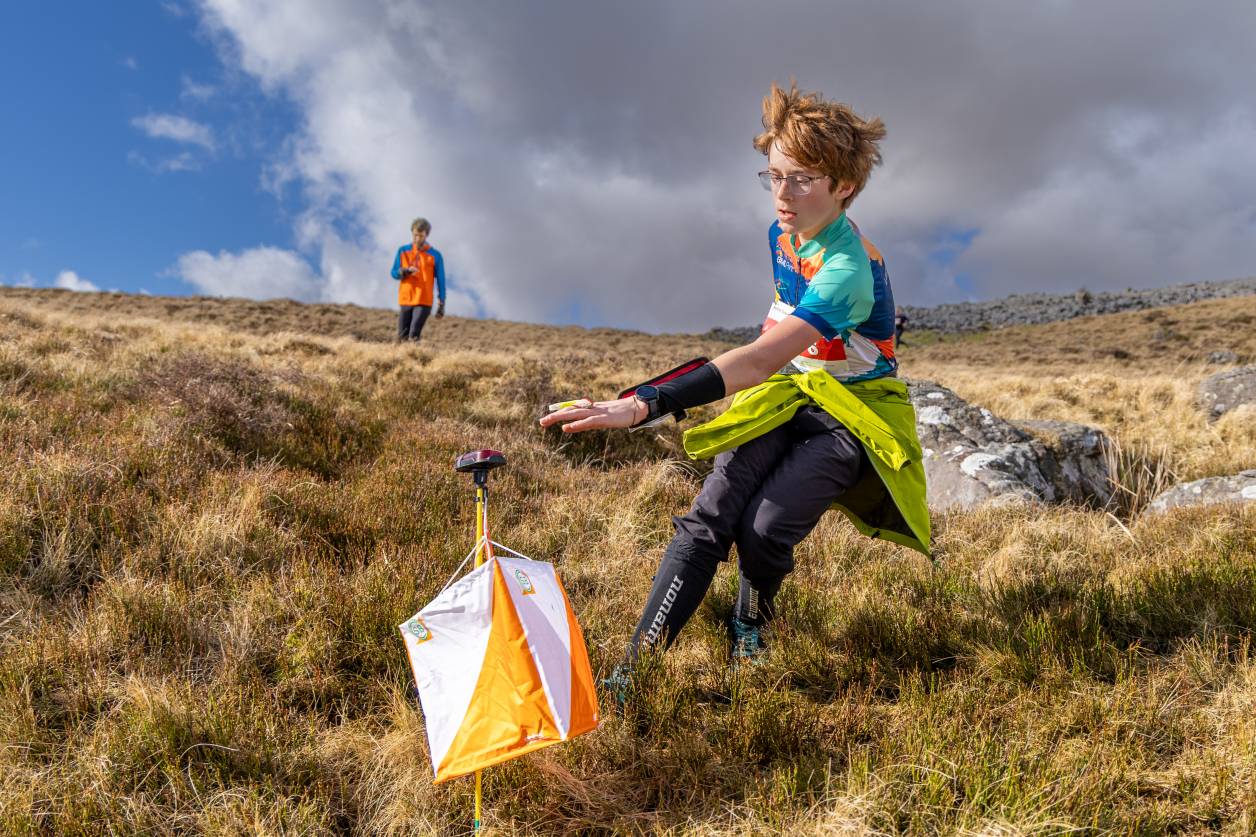
Orienteering clubs and members are extremely willing to work with landowners, to understand site sensitivites and areas that may need to be avoided. Many orienteers are keen environmentalists, and the protection of wildlife and fauna will sit with great importance when organising and planning events.
There are many things that planners and organisers can do to ensure sensitive areas are avoided where necessary and environmental care is taken into consideration:
Course Planning
Out-of-bounds areas
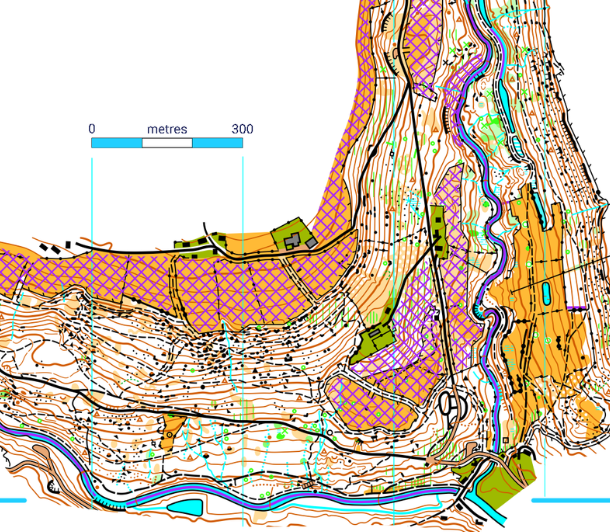
- Planners can identify out-of-bounds areas directly on the orienteering map. These sections are usually marked with purple hatching and indicate zones that competitors must not enter.
- If there are highly sensitive areas on your land that should not be run on or near, organisers are very happy to work with you to identify these locations. They can then add them clearly to the map before courses are designed and an event takes place.
Course design
- The placement of control points has a major influence on the route participants choose between legs. For example, positioning a control on a footpath can encourage competitors to follow that path, guiding them away from a sensitive area.
- This approach helps runners naturally avoid fragile locations without the need for taped boundaries.
Site visits
- Planners will usually visit an area several times ahead of an event. These visits help them better understand the terrain and observe seasonal changes in vegetation.
- They will be actively looking out for blooming flora, sensitive ground, and any areas that may need extra protection. Courses can then be adapted to steer footfall away from such locations. Orienteers value and respect the natural environment, and planners will always prefer adjusting a course to avoid potential damage.
On the day
Participant briefings
- Environmental sensitivities and out-of-bounds areas can be highlighted to participants in both the pre‑event information and again on the day, either at registration or at the start, as well as on the map. Reinforcing this information ensures all participants are fully aware of the environmental considerations before beginning their course.
Physical markers or marshals
- If organisers feel boundaries may not be entirely clear from the map alone, physical markers or marshals can be used to reinforce no‑go zones. These provide a visible reminder and help protect highly sensitive areas.
- Physical tapes will only be used where absolutely necessary, and organisers will aim to use recyclable materials.
After the event
Post-event reviews
- After the event, planners may revisit key areas to check for unexpected impact and will relay findings to landowners. This supports ongoing good practice for future use of the area.

Event Sustainability and Waste Management
- Environmentally friendly taping: When temporary tape is needed to mark boundaries or guide participants to the start or finish, clubs use biodegradable or reusable tape wherever possible.
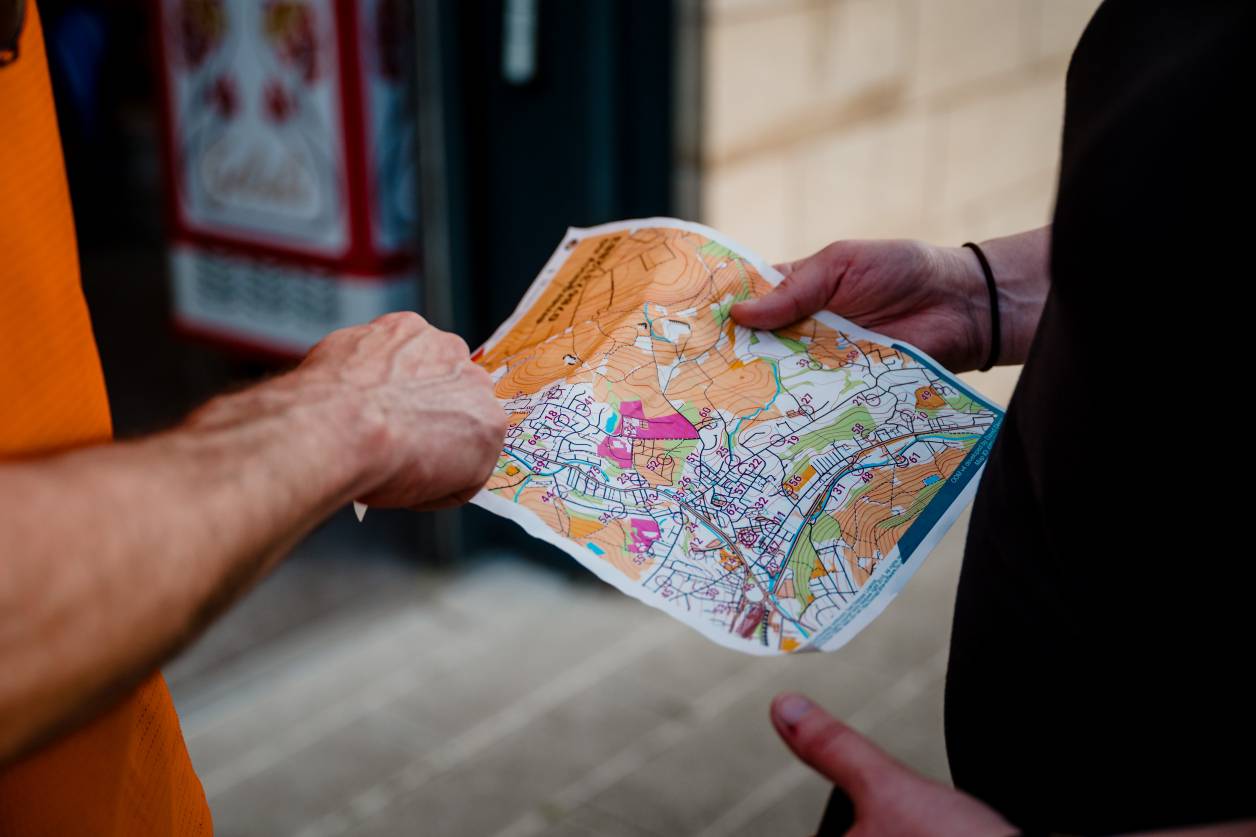
- Responsible map printing: Orienteering requires physical maps, however, with electronic registration systems, organisers can estimate participant numbers accurately. This means printing only what is needed, reducing waste. Any spare maps are reused for training sessions or future planning where appropriate.
- Encouraging refillable bottles: Participants are encouraged to bring reusable water bottles, which can be refilled at the event. This reduces the need for plastic cups or single‑use water bottles.
- Reusable event signage: Orienteering events use signage for parking, assembly areas, starts/finishes, and facilities. Clubs invest in durable, reusable signs that can be used across many events. They deliberately avoid producing event‑specific signs to prevent single‑use materials.
- Plastic‑free maps: Event maps are printed on waterproof paper, eliminating the need for plastic lamination. This makes maps more recyclable and reduces reliance on plastic‑based finishes.
- Recycling provision: Clubs provide clearly labelled recycling and general waste bins at event assembly areas. With many participants using paper maps and control descriptions, accessible recycling facilities significantly improve sustainability.
- Correct disposal: After the event, organisers ensure that waste is disposed of appropriately—either on site (where facilities allow) or removed from the area, following agreements with the landowner.
- Post‑event sweep: Once participants and event infrastructure have been cleared, volunteers conduct a full sweep of the area to ensure nothing has been left behind. Orienteers take pride in leaving areas in better condition than they found them.
- Highlighting public transport: Where possible, clubs list available public transport options in event details to support sustainable travel choices (although this may not always be possible depending on location).
- Encouraging car sharing: Participants and club members are encouraged to car share, reducing emissions as well as pressure on parking areas at event sites.

Educating Participants and Young Orienteers About Leave‑No‑Trace Principles
Educating participants and young orienteers about environmental considerations
- Through reminders of the importance of the environment and wildlife organisers provide clear guidance through pre‑race briefings and event information, highlighting out‑of‑bounds areas, environmental sensitivities, and any livestock or wildlife present on site.
- Participants are regularly reminded to minimise disturbance, for example, avoiding unnecessary noise, and to respect and protect wildlife throughout the event.
Embedding Leave No Trace principles in participants and juniors
- All participants are reminded of the potential for environmental damage and are asked to dispose of any waste responsibly, using provided bins or taking litter home.
- All participants are expected to ensure they do not leave equipment behind, and to take care when out on the course to avoid damage to the natural environment. Specific emphasis is placed on areas with livestock.
Clubs place particular emphasis on educating juniors and newcomers about environmental considerations and sustainability. This helps instil good practice early on, ensuring that responsible behaviour becomes a core part of orienteering culture and supporting the long‑term protection of the land on which events rely.


Current British Orienteering Policies & Reports

British Orienteering's Club Sustainability Guide
This guide informs clubs of practical advice on promoting sustainability across orienteering. Including actions to reduce the carbon footprint of participants, how to ensure waste is correctly disposed of and not left at an event site and ensure responsible sustainable actions.
British Orienteering Habitat Assessment Report
Ecology Resources released a report in 2024 which investigates the environmental impact of the orienteering. The report was created for an event which took place in April 2023, where approximately 2400 people competed. Read the reports findings on the button below.