Orienteering within University Mountaineering Clubs
Don’t have an Orienteering specific club at your university? Orienteering could be a fantastic sport to introduce to your Universities existing Mountaineering Club. Already within your club, you’ll be surrounded with like-minded indivduals who enjoy the outdoors and adventure.
British Orienteering caught up with Bath University Mountaineering Club (BUMC), to learn more about their current set up, and how they include Orienteering activity and events into their clubs schedule. Thanks to BUMC for providing the insights below.
Committee Members
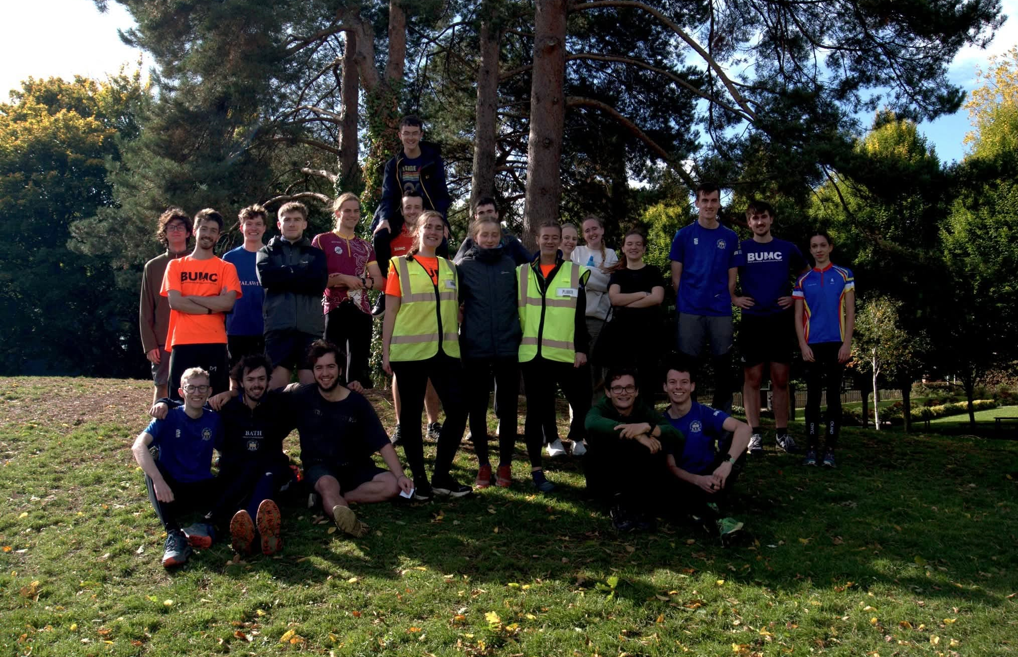
Every University is different with regard to the structure of sports clubs and societies and the committee that works together to run this. Here are a couple of suggestions as to how you could incorporate a role for Orienteering activities and events within your clubs current committee.
- Chair
- Treasurer
- Secretary and Inclusion Officer
- Gear Sec
- Media Sec
- Social Sec
- Orienteering Sec x 2
- Climbing Sec x 2
- Walking Sec x 2
Previously, BUMC have only been able to have 1 Orienteering Secretary on their committee, due to a maximum number of students allowed on the committee. However, this didn’t mean all the work around Orienteering activities, events and trips was down to this one role.
You could also introduce ‘unofficial’ Orienteering Captains, to assist the Secretary with Orienteering within the club. See more information on the roles below.
- Orienteering Secretary- The official member of committee, who represents orienteering activity officially for the university club.
- Orienteering Captain(s)- ‘Unofficial to the University’ members who are enthusiastic to help with orienteering activity and events, or coaching.
Allocating Roles and Tasks
As there are other members on your committee, that are not Orienteering focused, there will be a wide range of support for the general running of the club. As the Orienteering Secreatries you will likely be able to focus on the sport speicific side.
Orienteering Secretaries / Captains
The roles and responsibilities of the Orienteering Secretaries/Captains is to help lead training, source accommodation for trips, lead trail runs and generally be an extra pair of hands for the club.
The main BUMC day-to-day jobs are SU paperwork (arranging products for members to pay, paying invoices, risk assessments, collecting trip member details, reading emails, sending emails) in order to get our trips signed off. Every SU/Sport department is different, and some may require more information than others. For training, as there is more than one role, BUMC alternate beteen who plans and delivers sessions.
Working with the rest of the committee
Orienteering Secretaries/Captains help out with a range of broader trips and activities that the club put on, as well as other members of the committee helping out with Orienteering related activty where they can too.
Orienteering Training Sessions, Activities, Events and Trips
There are different ways you can introduce orienteering into your club’s current schedule. You could look to attend an event that a local club is organising, or plan your own activity around your campus. I would suggest getting in touch with your local club, to see if they would mind lending you some maps of the local area if possible. There is also the option of permanent and virtual courses in your area that you and your club could try.
Training sessions, activities, events and trips at BUMC
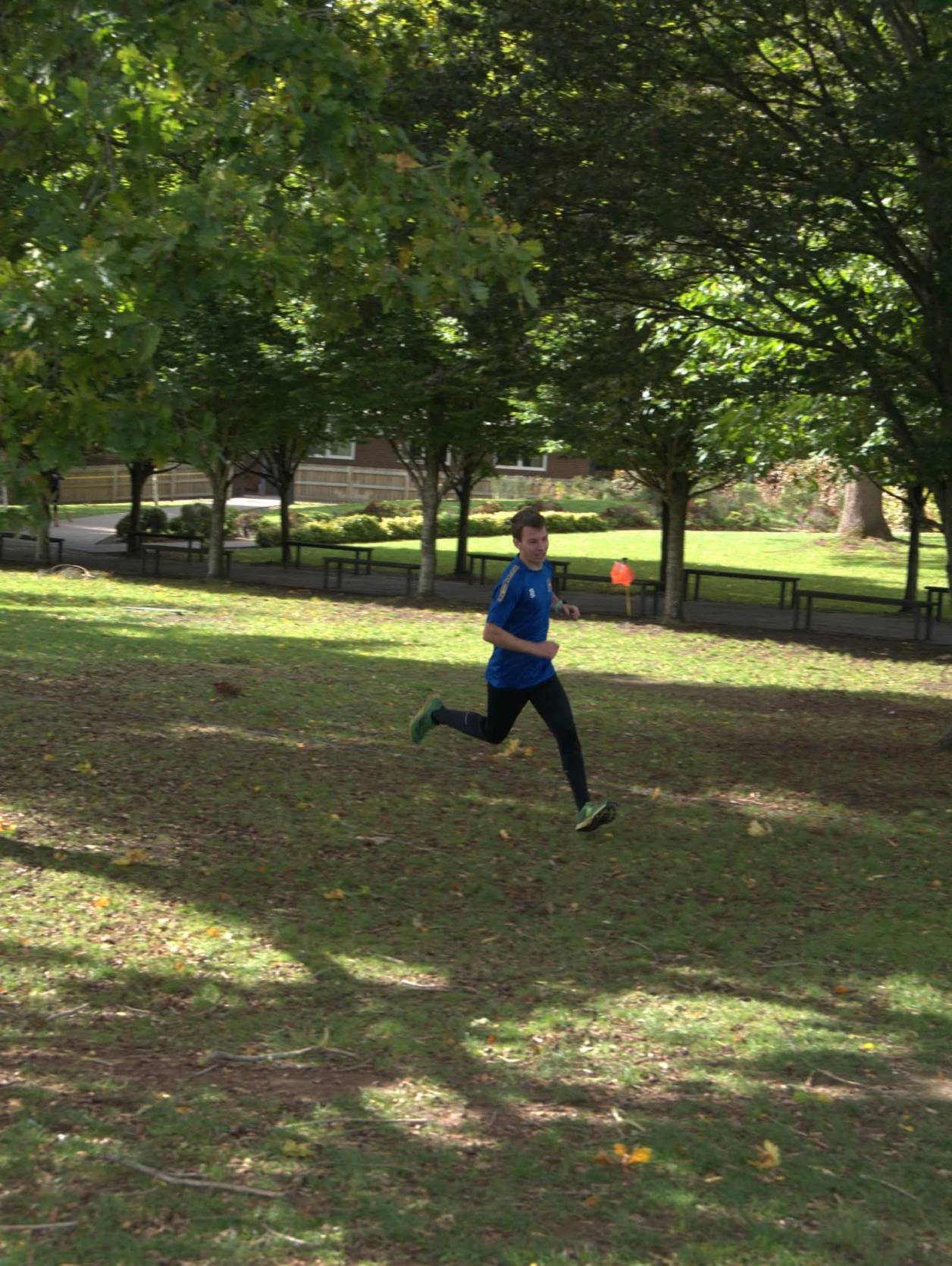
We hold weekly trail run sessions, and these are open to all of the club and whilst there is some overlap between the orienteers of the club, there is a large non-orienteering presence.
On a Saturday morning we either hold training sessions, go to local BOK events or are on weekends away.
What Equipment Does the Club Need To Run Orienteering Activities?
When BUMC started orienteering they didn’t have orienteering specific equipment or gear. They would use streamers as controls and base plate compasses that the club used for walking.
If you are planning an activity of which you think it would be useful to use orienteering equipment, flags etc, then we would suggest getting in touch with your local club. If they aren’t planning to use the equipment that day, they may be willing to support your ideas.
Although the introduction of equipment later down the line is helpful, it isn’t a must in order to begin introduicing activity into your club.
How Can We Encourage Participation from Current Club Members?
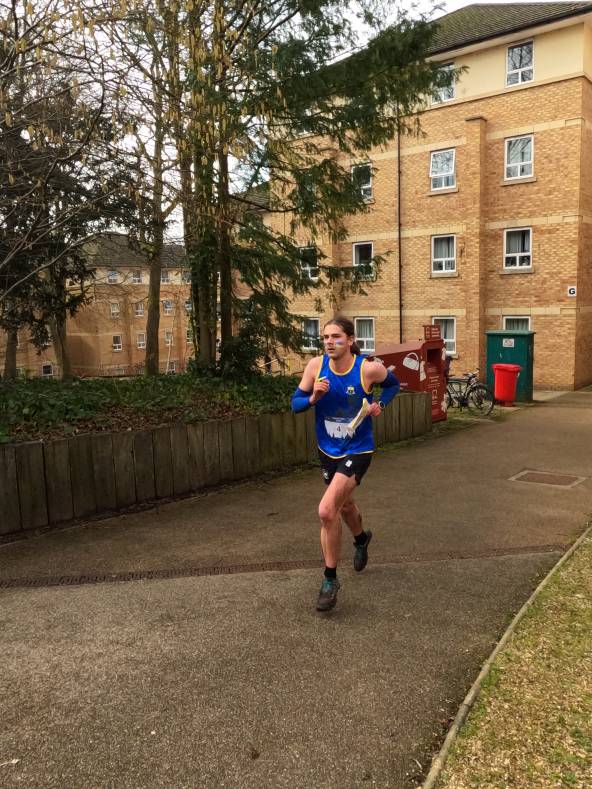
You have a great base, as there are already likely a lot of members within your club, with similar interests in adventure, the outdoors and nature. Here are a couple of things you might be able to do to encourage participation:
- Encouraging current members to join in on a social run, or try a relaxed form of orienteering
- Local clubs tend to have discounts on event entry for students, don’t be afraid to get in touch with the organiser to ask about this if you can't see it on their website.
How do BUMC encourage participation?
BUMC advertise orienteering at climbing and walking events at the beginning of the year and also introduced trail running to increase the number of members involved. Which they believe has been semi-successful.
By not explicitly labelling activity and events as ‘Orienteering’ BUMC find they have a greater number of students and members participate. For example, near Halloween, they ran a ‘Spook-O’ in the dark at a field and woods near campus, and saw one of thier biggest turnouts.
Organising to attend events that local clubs are organising is important, as BUMC tend to have a greater number participating at BOK events opposed to their own training sessions.
Try not to clash Orienteering activities with other training put on by your club. Other club activities may initially have a bigger following, and so would be more difficult to get newbies to come along.